
Business & Innovation · news
The Hippocrates Experience Shouldn’t End at Checkout
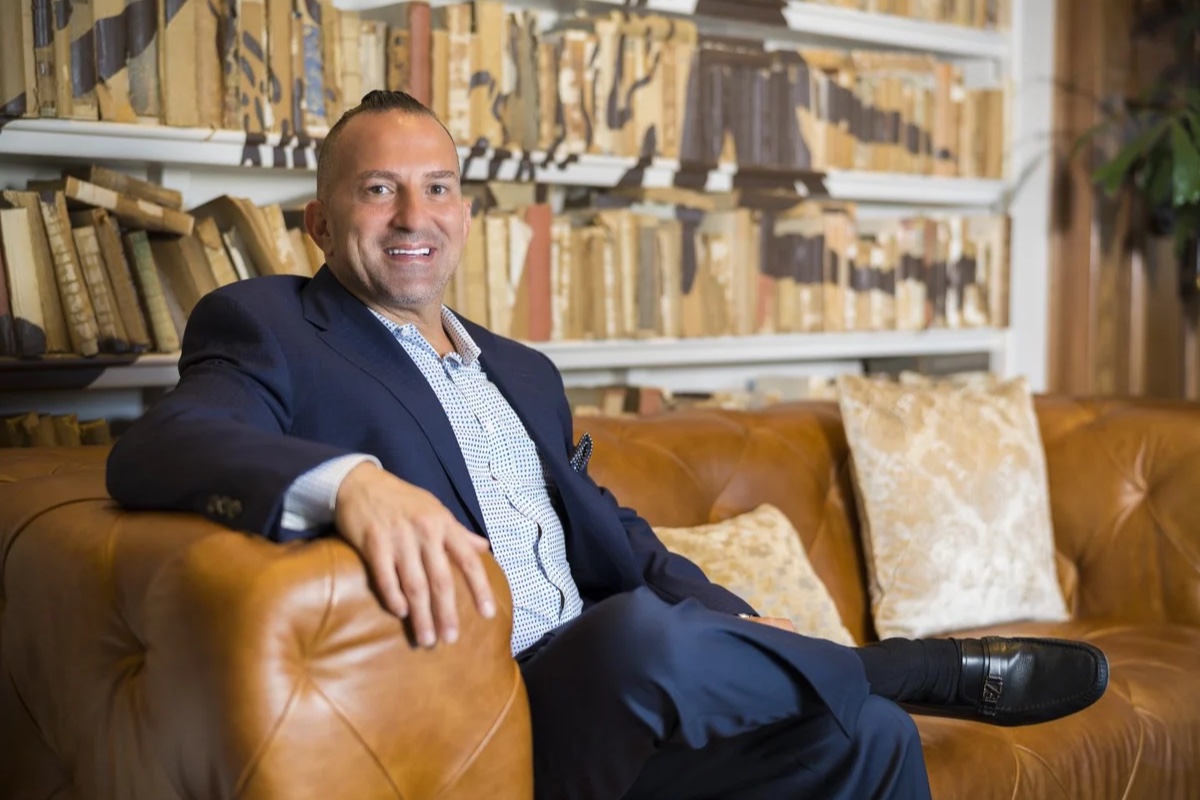
Hippocrates Wellness Global Brand Ambassador Farid Dallal outlines a more integrated alumni system designed to carry education, community and practical support beyond a guest’s stay.
A wellness journey can begin when a person steps onto campus. The deeper test comes later, when the stay is over, daily responsibilities return and new habits have to fit into real life.
At Hippocrates Wellness, the 55-acre campus in West Palm Beach offers guests a rare chance to step away from the pace of everyday life. In its quiet, peaceful setting, people can slow down, “stop the clock” for a while and give their attention to what matters: their health, their families and the kind of life they want to lead.
That pause can create room to learn and reflect. But it is only the beginning. What matters is what a person carries home.
In my work as Global Brand Ambassador, I meet people who arrive determined to make a change. They engage with the experience, participate in the education, ask questions and explore practices that may support their goals. We see the greatest opportunity for meaningful progress when people take an active role in what they are learning and continue applying it after they leave.
That is why we are working to create a more fully integrated alumni system: a way to stay connected with people as they navigate the realities of everyday life. Alumni may be CEOs, entrepreneurs, parents, caregivers and community leaders. Their schedules, habits, stress and responsibilities are different. Support after a stay should recognize that, helping people find practical guidance, community and resources they can return to as their needs change.
This vision is being developed alongside Dr. Brian Clement and Anna Maria Clement, co-directors of Hippocrates Wellness, and Blake Clement, the organization’s CEO and operations leader. Blake grew up around Hippocrates through his father’s work and brings an international perspective shaped by his education at Karolinska Institutet in Sweden. Together, the Clements’ leadership connects the institute’s history with its next chapter.
At the heart of that legacy is a belief that knowledge should help people participate more fully in their own lives. During a recent conversation at a synagogue in Plantation, Dr. Brian Clement emphasized the part each person plays: learning matters, but so do the choices and practices a person carries into daily life. I see that idea as central to the Hippocrates approach.
I call it “the knowledge of love and self-care.” When people have the guidance and support to care for themselves, they may be better able to show up for their families, loved ones and communities. The aim is not perfection. It is helping each person work toward their best self and build a stronger connection between mind, body and soul.
Hippocrates Wellness draws on living-food education, movement, rest, nature and community. Its educational areas include cancer support, immune health, cardiovascular health, metabolic health, brain health, Lyme and complex chronic illness, fertility and hormone balance, and longevity. Program details vary, but education remains central: guests should leave with guidelines and knowledge they can continue using at home.
We also want wellness to become a proactive pathway in life, rather than something people consider only when they feel they have run out of options. Food choices, stress and daily habits can affect well-being. Education can help people ask better questions and make more informed choices. It cannot promise that illness will be prevented, but it can give people tools and support as they work toward healthier routines.
The future will bring new research and technologies into this conversation. We are interested in how digital tools and artificial intelligence may help people stay connected to education and support, while keeping qualified professionals involved in interpretation and care decisions. We are also exploring how ideas about energy, bioelectricity and frequency fit into the broader discussion of wellness, with care to distinguish emerging concepts from established medical evidence.
Our vision extends beyond the campus through a network of local, national and global affiliates aligned with Hippocrates Wellness’ holistic educational and dietary approach. We are working toward trusted connections among alumni, educators, practitioners, community organizations and other professionals. The collective experience of Hippocrates’ more than 100 staff members, along with collaborating professionals and vendors, can help support that larger effort.
Ann Wigmore founded Hippocrates Wellness in 1956. As the organization approaches its 70th anniversary, the Clements’ legacy continues to grow: preserving a commitment to education and whole-person living while creating new ways to help people carry that knowledge forward.
The campus can give someone room to pause. The next chapter is to help them stay connected—to the learning, the people and the practices that can support them at home, in their families and in their communities.