
Living · guide
Biscayne’s best views begin where the road ends
Reefs, island trails and a remarkable expanse of water make this South Florida national park a trip worth planning differently.
At Biscayne National Park, the map tells the story: 95 percent of the park is water. A visit built entirely around driving misses much of what makes this corner of South Florida distinctive.
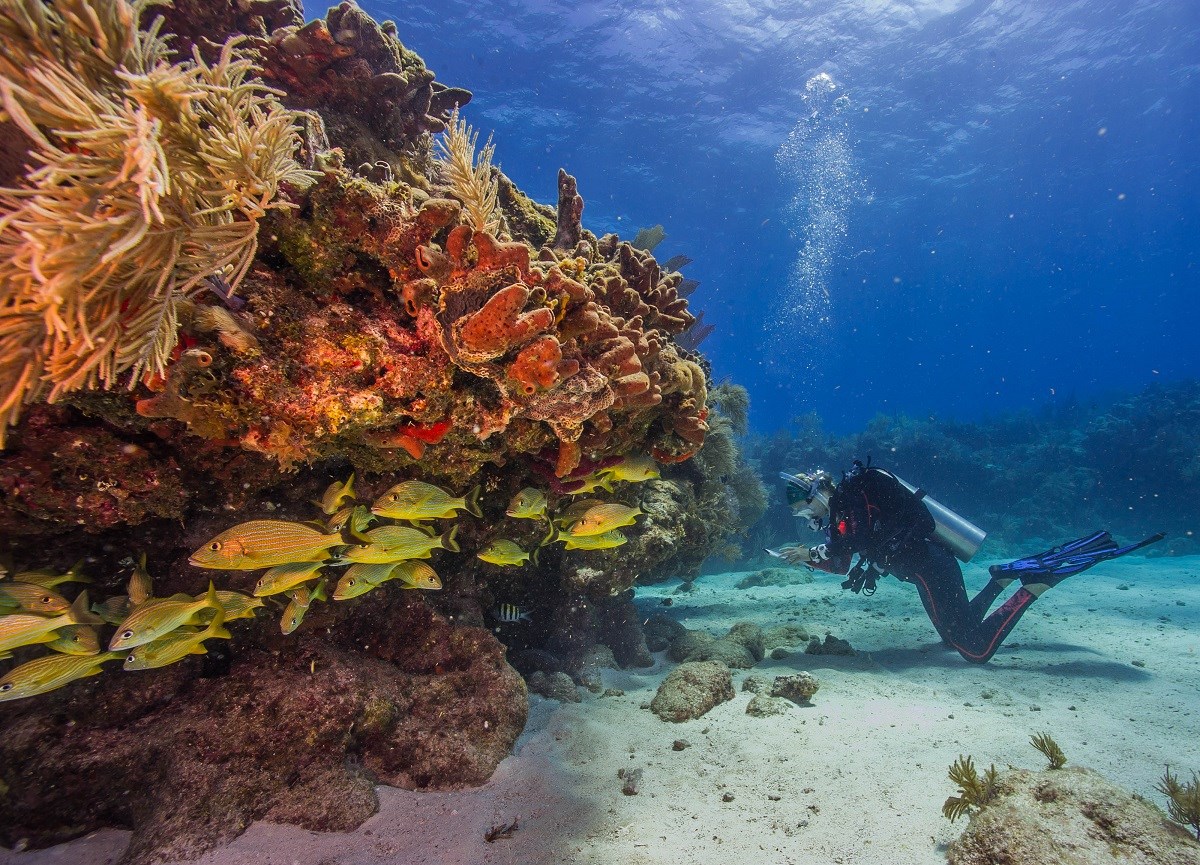
The park protects 72,000 acres of the northern Florida Reef Tract. Beneath the surface, coral and fish provide a very different view of a region often experienced through its highways and skylines. The National Park Service’s visitor guide is a practical starting point for choosing activities, checking accessibility and reviewing water-safety guidance.
Elliott Key adds another dimension. The park’s largest island once supported pineapple farming, sponging and other maritime pursuits. Today, its attractions include a hiking trail, wildlife watching, picnicking and camping.
Winter generally brings milder temperatures and fewer insects, according to the park. Whatever the season, decide how you will reach your destination before leaving home, and check current conditions and operator arrangements directly. An island afternoon deserves more preparation than an ordinary roadside stop.
For travelers willing to plan around the water, Biscayne offers a Florida outing with room to look below the surface.